Religion, Spirituality & Student Formation
Scholarship, mentoring, pastoral care, and leadership in higher education

Universities are places where intellectual discovery, identity development, vocation, and meaning intersect. My work explores how religion, spirituality, pastoral care, and reflective practice contribute to student development, ethical leadership, professional formation, wellbeing, and resilient educational communities.
As a faculty member, counselor educator, board-certified chaplain, rabbi, cantor, clinician, and researcher, I work across higher education, professional education, spiritual care, Jewish communal life, and clinical settings. These are not separate strands of my work. Together, they shape an integrated approach to teaching, mentoring, pastoral presence, scholarship, and institutional engagement.
I also collaborate with universities, chaplaincy and spiritual-care organizations, counseling programs, healthcare institutions, and Jewish communal organizations as an invited teacher, trainer, consultant, researcher, and speaker. These partnerships bring together scholarship, spiritual care, Jewish learning, mental health, and professional formation in support of students, educators, and institutional communities.
Student Spiritual Life & Professional Formation
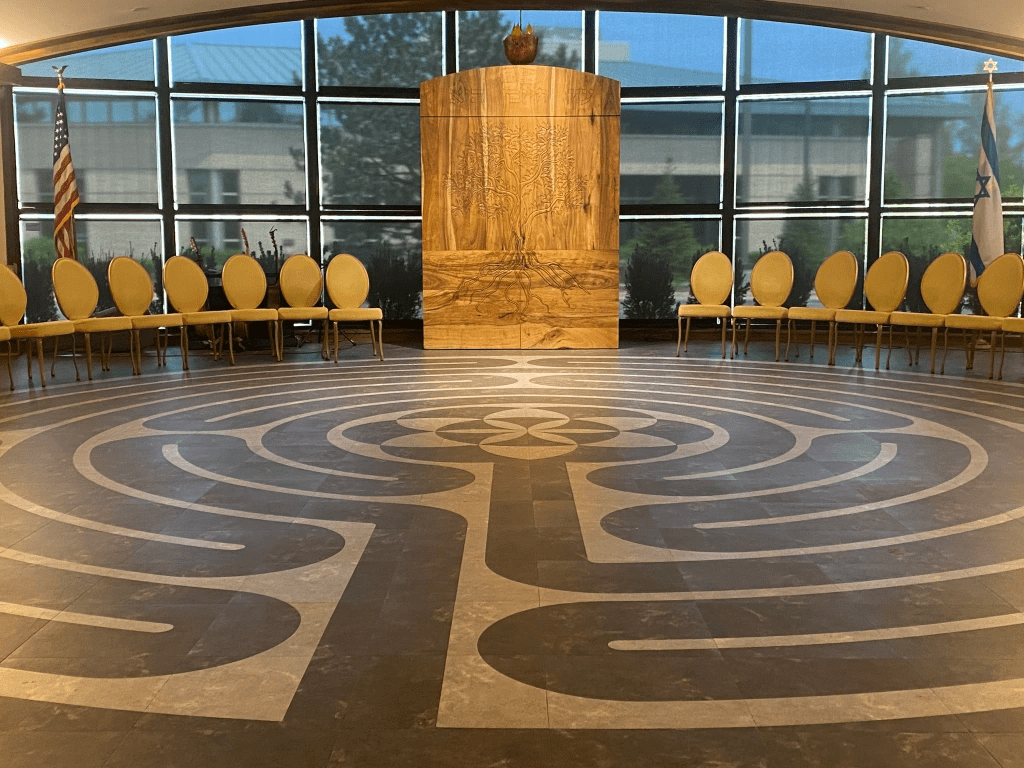
Student life is a period of significant intellectual, personal, ethical, and spiritual development. Questions of identity, purpose, relationships, faith, values, vocation, and belonging often emerge alongside academic and professional growth. These questions deserve spaces where they can be explored with curiosity, compassion, humility, and integrity.
At The Family Institute at Northwestern University, I serve as faculty sponsor for C@NU SERVIC, formerly Spirituality Jam, a graduate student group in which counseling students explore spiritual, ethical, religious, and values-based questions within clinical and professional formation.
The group creates space for students to reflect on meaning, identity, ethics, spiritual diversity, professional responsibility, and how counselors can engage religion and spirituality with competence, cultural humility, and care. My current university work also includes graduate advising, mentorship, student development, and professional formation.
Mentorship, Formation & Vocation
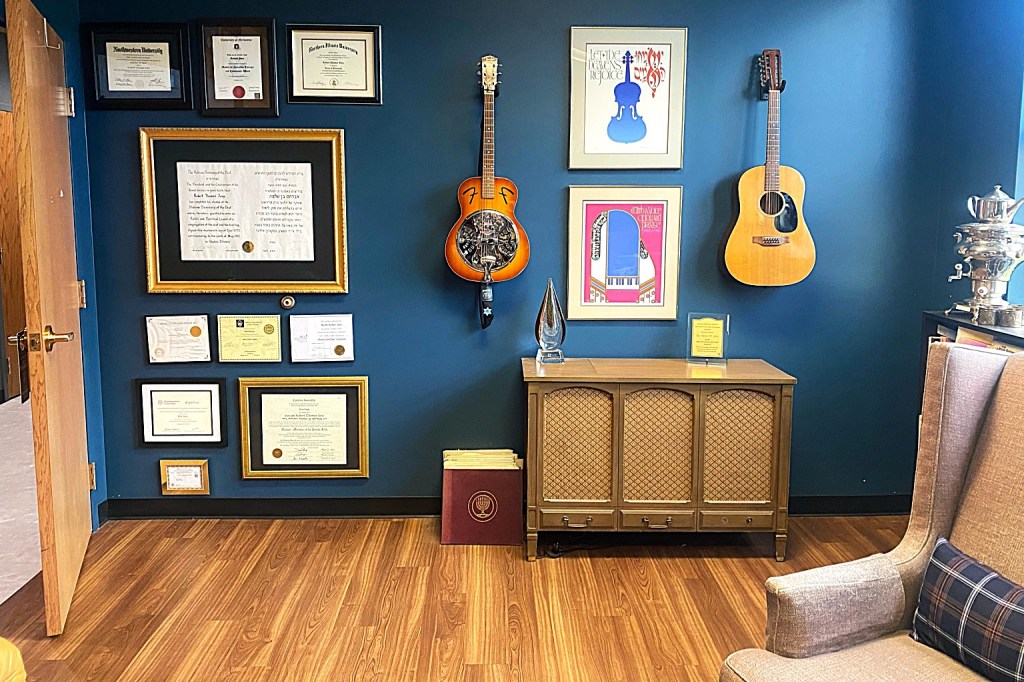
Students and emerging professionals often need mentors who can engage both their intellectual questions and their personal development. My mentoring draws on experience in graduate education, counseling, chaplaincy, Jewish leadership, research, and supervision to accompany people through questions of identity, vocation, ethics, belonging, spirituality, professional responsibility, and meaning.
I advise and mentor graduate students, developing researchers, counselors, chaplains, clergy, and emerging professionals. My work includes academic advising, capstone mentorship, research supervision, professional development, and support for students integrating personal values with professional identity.
My approach recognizes that formation is shaped not only by knowledge and technical competence, but also by self-awareness, moral reflection, cultural humility, relational responsibility, and the capacity to remain present in complexity. At Northwestern University and The Family Institute, I advise approximately 45 graduate students each academic year and have served as capstone mentor to 61 graduate students.
Religion, Spirituality & Professional Education
My teaching examines how religion, spirituality, ethics, identity, and meaning enter professional life. I help students develop the knowledge, self-awareness, and judgment needed to engage these dimensions thoughtfully within pluralistic and secular institutions.
In counselor education, my teaching has included research methods, addiction counseling, professional topics, assessment, interviewing, psychopharmacology, human development, group counseling, social justice, and advocacy. I am especially committed to helping students approach religion and spirituality with openness, competence, ethical care, and respect for diverse worldviews.
I also mentor chaplains seeking board certification, with attention to spiritual-care identity, reflective practice, professional standards, ethical responsibility, and the integration of pastoral presence with mental health awareness.
Spiritual Care, Mental Health & Student Wellbeing
Students often bring spiritual questions together with anxiety, grief, loneliness, family expectations, trauma, addiction and recovery, antisemitism-related stress, vocational uncertainty, and questions of identity and belonging.
My background as a board-certified chaplain and licensed clinical mental health counselor enables me to meet these concerns with pastoral attentiveness, clinical wisdom, appropriate professional boundaries, and respect for institutional roles and collaborative care.
I work comfortably in Jewish, multifaith, interfaith, and secular environments. My approach attends carefully to religious diversity, spiritual struggle, moral injury, transition, loss, recovery, and the search for purpose.
Across healthcare, behavioral health, addiction treatment, higher education, congregational life, and community settings, I have accompanied individuals and groups through moments of crisis, discernment, change, and renewal. My professional experience includes spiritual care in trauma, critical care, behavioral health, addiction treatment, bereavement, and recovery settings.
Jewish Learning, Ritual & Community Formation
As a rabbi and cantor, I have led Shabbat and holiday worship, taught Jewish texts and traditions, provided pastoral care, officiated lifecycle moments, and supported communal participation in congregational, educational, chaplaincy, and Jewish communal settings.
My Jewish teaching is rooted in text, story, ethical reflection, spiritual care, and the belief that Jewish life can be intellectually serious, emotionally honest, spiritually alive, and relationally grounded.
These experiences shape what I bring to work with students and university communities: the ability to teach Torah accessibly and seriously, support people exploring Jewish identity and practice, accompany individuals through transition and struggle, and help cultivate communities in which learning, ritual, care, and belonging reinforce one another.
My congregational leadership has included responsibility for worship, teaching, pastoral care, lifecycle accompaniment, Jewish education, community formation, and the development of lay and student leadership.
Emerging Adults & Experiential Jewish Education
My experience in Jewish education and emerging-adult engagement spans congregational youth programs, camp, high school and supplemental education, college-age programming, and Jewish communal life.
Earlier in my career, I completed an internship with the Levine Hillel Center at the University of Illinois Chicago, where I supported student-centered program development, engagement, communal-space design, marketing, and community-building initiatives.
My experiential Jewish education work has also included OSRUI, congregational youth leadership, high school Midrasha, retreats, Shabbat programming, songleading, teacher mentorship, and emerging-adult engagement. These settings have shaped my understanding that belonging grows through relationships, meaningful ritual, thoughtful learning, opportunities for leadership, and shared responsibility.
Across educational, congregational, clinical, and communal settings, I have accompanied emerging adults through questions of identity, belonging, spirituality, recovery, vocation, relationships, and transition.
Scholarship in Service of Student Formation
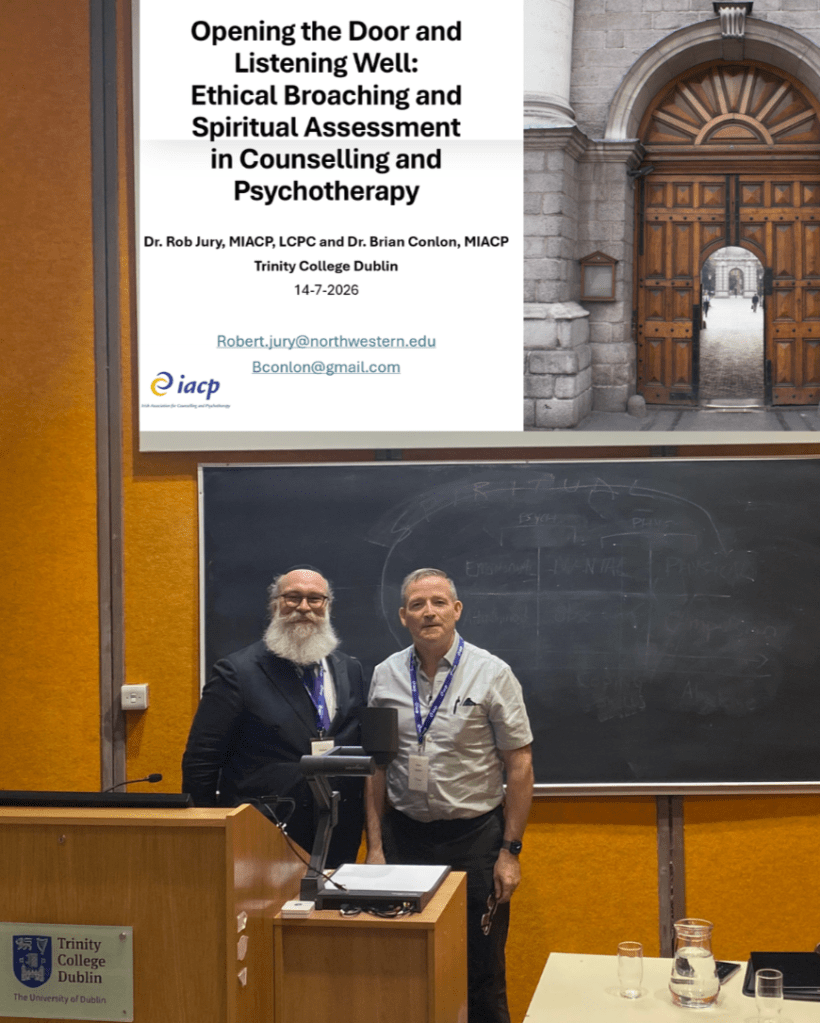
My scholarship informs the way I teach, mentor, and accompany students. My research focuses on meaning-making, spirituality, counselor education, addiction and recovery, narrative practice, Jewish mental health, antisemitism, ethics, and professional formation.
As Principal Investigator and Director of the MIDRASH Lab, I lead research on instruction and development in counseling and psychotherapy education, researcher formation, spiritually integrated counseling, addiction recovery, Jewish mental health, and spiritual-care training and certification.
For me, scholarship is not separate from practice. Research informs teaching, strengthens pastoral care, enriches clinical work, and helps educational, healthcare, and religious institutions better support the people they serve.
My work has also included invited lectures, workshops, consultation, and conference presentations for universities, counseling programs, chaplaincy organizations, healthcare institutions, and Jewish communal organizations in the United States and internationally.
Interfaith Engagement & Institutional Partnership
Religious and spiritual life in higher education exists within communities marked by multiple traditions, worldviews, identities, and forms of belonging. I approach interfaith and multifaith work as a practice of relationship, mutual respect, intellectual curiosity, and shared ethical responsibility.
My public religious leadership has included interfaith worship, dialogue, public teaching, collaborative clergy relationships, crisis response, and engagement with Jewish, Christian, Muslim, Baha’i, healthcare, educational, and civic communities.
I have also represented Jewish chaplaincy within broader professional and interorganizational settings and participated in international and interfaith programs focused on spiritual care, addiction, public wellbeing, and communal resilience.
Consultation, Training & Campus Conversations
I collaborate with colleges, universities, seminaries, chaplaincy and spiritual-care organizations, counseling programs, healthcare institutions, and Jewish communal organizations seeking thoughtful engagement with religion, spirituality, professional formation, student wellbeing, Jewish life, or spiritual care.
These collaborations may include invited teaching, workshops, consultation, curriculum development, research partnerships, faculty and staff development, professional training, retreats, and public conversations.
Selected areas of engagement
- Religion and spirituality in higher education
- Student and emerging-adult formation
- Graduate student mentorship
- Jewish identity, learning, and wellbeing
- Pastoral care and chaplaincy
- Spirituality in counseling and psychotherapy
- Professional identity and vocational development
- Addiction and recovery in Jewish communities
- Antisemitism and student, faculty, and staff support
- Interfaith and multifaith engagement
- Faculty and staff development
- Spiritual-care training and certification
- Ethical leadership and institutional responsibility
- Research development and reflective practice
A Philosophy of Student Formation
I believe higher education is a setting in which intellectual development, spiritual exploration, ethical reflection, professional identity, and personal formation belong in conversation with one another.
Students deserve spaces where difficult questions can be explored with curiosity, compassion, and integrity, where Jewish life can be intellectually serious and spiritually alive, and where learning, pastoral care, ritual, scholarship, and community reinforce one another.
Across my work as a professor, rabbi, cantor, chaplain, counselor, and researcher, my commitment has remained constant: to accompany students and emerging professionals as they discover not only what they know or what they believe, but also who they are becoming and how they hope to contribute to the communities they serve.

