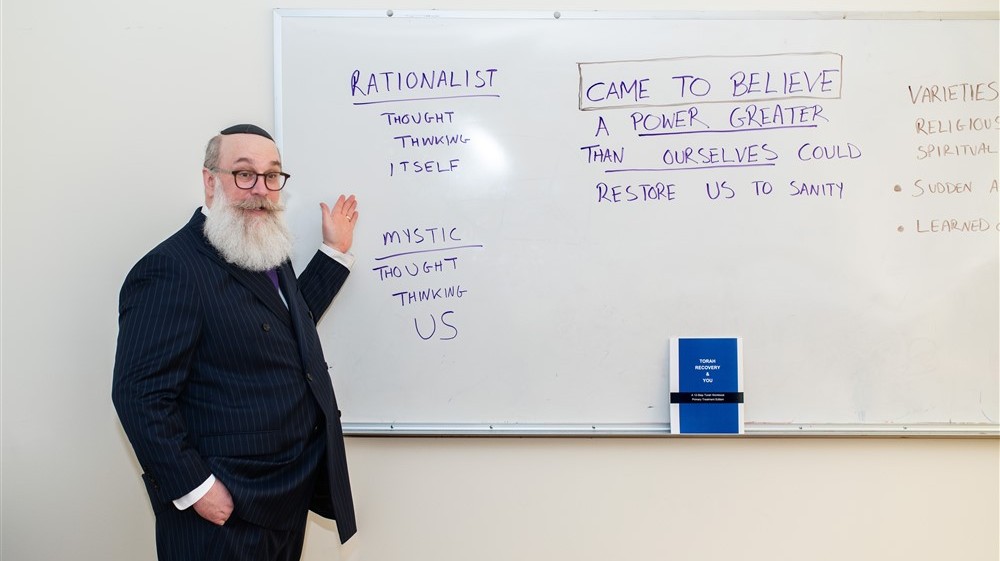
Teaching is one of the central threads of my work. I am committed to forms of teaching that join intellectual rigor, reflective practice, and lived experience, and that help students grow in clarity, responsibility, and professional judgment.
My teaching spans counseling, chaplaincy, Jewish learning, and professional formation. In higher education, I teach graduate-level courses in counseling theory, addiction and recovery, ethics, research literacy, assessment, supervision, and professional identity. I am especially committed to helping students engage religion, spirituality, and meaning thoughtfully in diverse clinical and educational contexts.
A central part of my teaching is mentorship. I advise graduate students across the academic year, serve as faculty advisor for a student group focused on spirituality in counseling, support students as they prepare conference presentations, and mentor emerging scholars, graduate assistants, and undergraduate research interns. I understand teaching as both intellectual and formational work.
I am especially drawn to teaching that helps students and emerging adults engage questions of identity, vocation, belonging, and responsibility with seriousness and openness. My commitment to formation began long before my current university teaching. Earlier in my work, I mentored undergraduate students preparing to become supplemental-school and congregational religious-school teachers, supported high school students serving as teaching assistants, and developed educational and engagement programming for college-age and emerging-adult populations in Jewish communal settings.
My pedagogical approach draws on narrative inquiry, hermeneutical traditions, and deliberate practice models. My teaching is also informed by my work as Course Lead for Research Methods, my prior service as Course Lead for Addictions Counseling, and my role as Principal Investigator of the MIDRASH Lab.
 Rabbi Dr. Rob Jury